 sales@webguruz.in
 +1 (213) 715-5368
Vedanshi
2026-10-07
7 min read
HubSpot UNBOUND 2026: Key Announcements, AI Trends, and What They Mean for Businesses
HubSpot UNBOUND 2026 sent a clear message to businesses: growth is becoming more connected.
Read More
Published On:2025-12-11
If you’re still manually sending emails and tracking leads on spreadsheets, you’re losing customers to competitors who work smarter. Marketing automation has moved from a nice-to-have tool to an absolute necessity for businesses seeking to grow in 2026. Let’s break down why this matters and how you can start using it effectively.
Marketing automation handles the repetitive tasks that consume your team’s time and resources. Instead of sending individual follow-up emails or remembering to post on social media, the software handles it automatically. This frees your team to focus on strategy and creativity, the things humans do best.
But it’s more than just saving time. Marketing automation enables you to reach the right person with the right message at exactly the right moment. When someone downloads your guide at 2 AM, automation can immediately send a thank-you email and add them to a nurture sequence. No human team can match that speed and consistency.
The numbers tell the story clearly. Companies using marketing automation see higher conversion rates, better customer engagement, and significantly improved ROI on their marketing spend. In 2026, customers expect personalized experiences, and automation makes personalization possible at scale.

Think of CRM (Customer Relationship Management) as your digital filing cabinet for customer information. It stores names, contact details, purchase history, and interactions. When businesses evaluate different platforms, a CRM comparison helps them understand which system best fits their sales process, team size, and growth goals. Marketing automation is the engine that uses CRM data to take action.
When these two work together, magic happens. Your CRM tells the automation system that a customer has not made a purchase in three months. The automation system then sends a personalized “we miss you” email with a special offer. This integration creates a seamless experience that turns leads into loyal customers.
The automation trend in 2026 is all about intelligence and integration. We’re seeing AI marketing automation become the standard, not the exception. These systems now predict customer behavior, automatically optimize send times, and even generate content suggestions based on what works best for your audience.
Marketing automation tools are also improving in their ability to integrate with other aspects of your business. Your email platform talks to your social media scheduler. Your landing pages connect to your analytics. Everything works together, rather than living in separate silos.
Getting started with marketing automation doesn’t mean buying the fanciest tool and hoping for the best. Here’s what actually works:
Map out every step someone takes from discovering your business to becoming a customer. Where do they get stuck? Where do they need more information? These are your automation opportunities.
This is the easiest place to start. Set up welcome emails for new subscribers, abandoned cart reminders for e-commerce, and re-engagement campaigns for inactive contacts. These simple email automations often deliver the biggest returns.
Don’t send the same message to everyone. Group your contacts by behavior, interests, or stage in the buying process. A first-time visitor needs different information than someone who’s visited your pricing page five times.
The best marketing automation solutions include built-in testing tools. Try different subject lines, send times, and message angles to see what works best. Let data guide your decisions, not gut feelings.
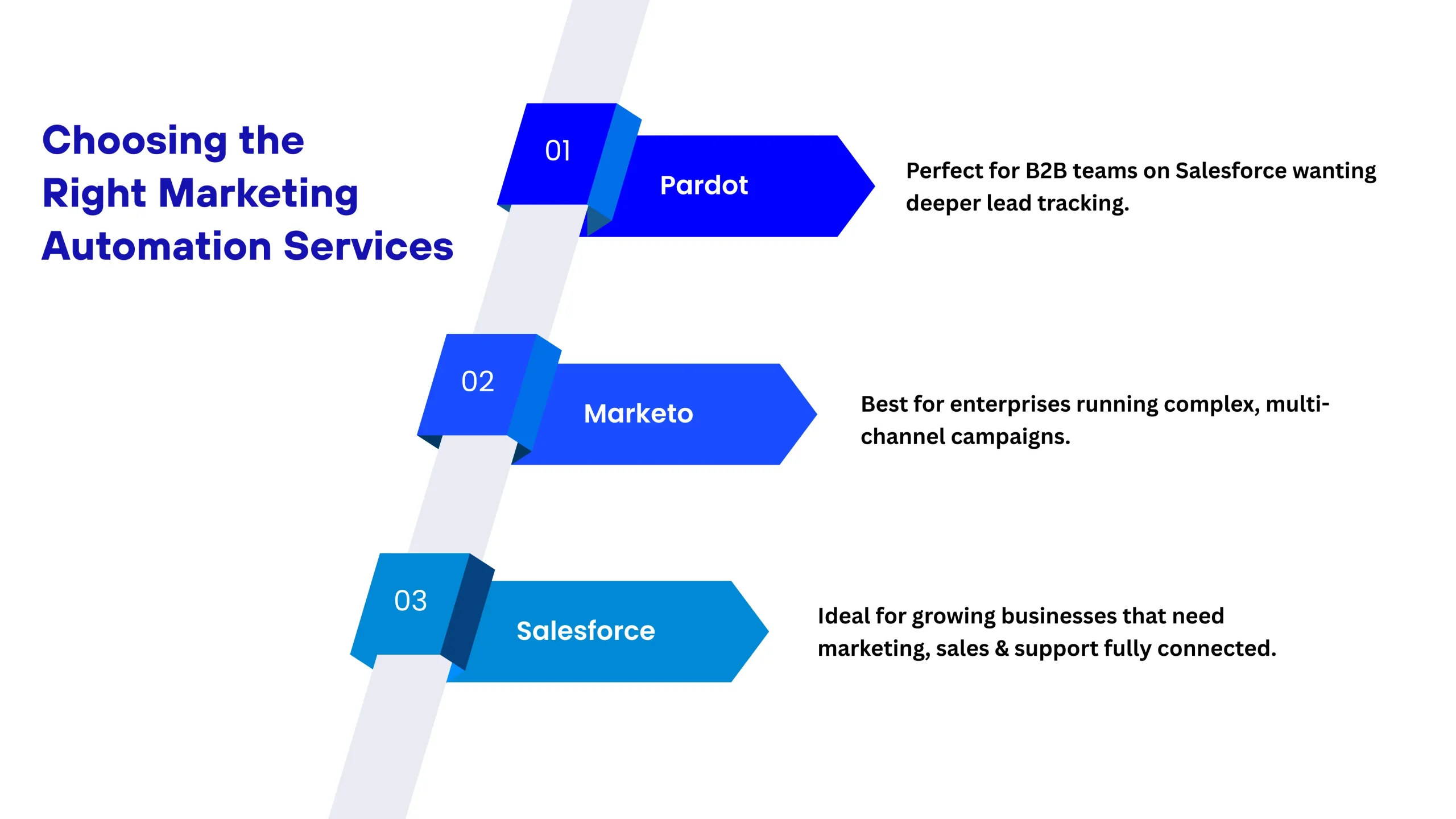
Not all marketing automation companies in India or globally offer the same value. The right choice depends on your business size, industry, and technical expertise.
AI marketing automation is changing what’s possible. Instead of just following rules you set, these systems learn from results and adjust automatically. They determine the optimal time to send emails to each person, predict which leads are most likely to buy, and tailor content based on individual behavior.
This doesn’t replace human marketers. It makes them more effective. While AI handles optimization and personalization at scale, your team focuses on strategy, creative development, and building genuine relationships with key accounts.
The best results are achieved when marketing automation integrates with broader digital marketing solutions. Your automated emails should align with your social media messaging. Your paid ads should send people to landing pages that trigger the right automation sequences. Everything works together as one system.
This is where employee training and development solutions become critical. Your team needs to understand not just how to use the tools but how to think strategically about automation. Invest in training so your people can make smart decisions about what to automate and what needs a human touch.

The future of marketing automation is heading toward complete personalization at scale. We’re moving past sending the same five email sequences to everyone. Instead, each customer gets a unique experience tailored to their specific behavior, preferences, and needs.
Voice and chat automation are expanding rapidly. Chatbots are getting smarter and more helpful. Voice assistants are becoming shopping tools. Your marketing automation will need to work across all these channels seamlessly.
Predictive analytics will become standard. Systems won’t just react to what customers do; they’ll anticipate what customers need next and act proactively. This shift from reactive to proactive marketing changes everything.
Marketing automation Services isn’t cheap, but it pays for itself quickly when implemented correctly. Look for marketing automation solutions that offer clear ROI tracking. You should be able to see exactly how much revenue comes from automated campaigns compared to what you’re spending.
Remember that tools alone don’t create results. You need the right strategy, quality content, and ongoing optimization. Many businesses benefit from working with experts who’ve successfully implemented these systems before.
A: Basic marketing automation tools start around $50-100 per month for small businesses. As you grow and need more features, costs typically range from $500 to $2000 monthly. The investment usually pays for itself through increased efficiency and better conversion rates.
A: Marketing automation works excellently for both B2C and B2B. B2C companies use it for abandoned cart emails, product recommendations, and loyalty programs. B2B companies use it for lead nurturing and sales enablement. The strategies differ, but the value is real for both.
A: You can see initial results within 2-4 weeks from simple automations like welcome emails. More complex campaigns and full system optimization typically show significant results within 3-6 months. The key is to start simple and build from there.
A: For small businesses, someone can manage the automation part-time alongside other duties. As you scale, having a dedicated automation specialist becomes valuable. Many companies also utilize consulting services for setup and strategy while handling day-to-day management internally.
A: Email marketing is just sending emails to your list. Marketing automation encompasses email, as well as social media scheduling, lead scoring, CRM integration, behavior tracking, and multi-channel campaigns. It’s a complete system where email is one important piece.
Vedanshi
2026-10-07
7 min read
HubSpot UNBOUND 2026 sent a clear message to businesses: growth is becoming more connected.
Read More
Vedanshi
2026-10-07
7 min read
For years, ranking on Google’s first page was one of the clearest goals in search marketing. But search is no longer limited to a list of blue links.
Read More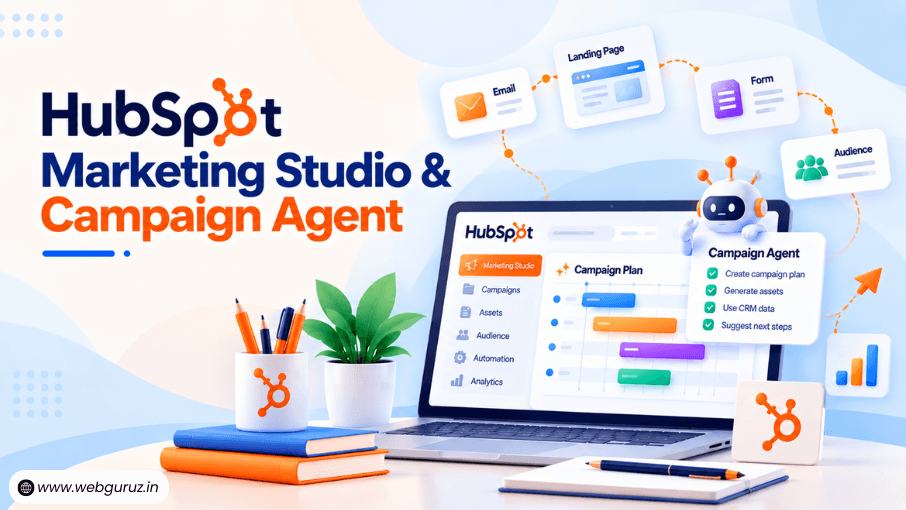
Vedanshi
2026-10-01
7 min read
Marketing teams often have plenty of ideas but not enough time to turn those ideas into well-planned campaigns.
Read More