 sales@webguruz.in
 +1 (213) 715-5368
Vedanshi
2026-10-09
7 min read
How to Use HubSpot AI Agents to Automate Sales, Marketing, and Customer Support
A sales team spends hours researching prospects. Marketing repeats the same tasks across campaigns.
Read More
Published On:2026-01-15
Your potential customers don’t wake up one morning and decide to buy from you. They go through a journey, learning about their problem, researching solutions, comparing options, and finally making a decision. The businesses that win are those that show up at each stage with the right message at the right time.
That’s where digital marketing services come in. When used strategically, they guide people from “I have a problem” to “I’m buying from you” in a way that feels natural and helpful, not pushy or annoying.
Let’s walk through how different Internet Marketing Solutions support each stage of the buyer journey and help you turn strangers into loyal customers.
Before we dive into specific services, let’s quickly break down the buyer journey into three main stages:
People realize they have a problem or need, but aren’t sure what the solution is yet. They’re asking questions and looking for information.
They know what they need and are actively researching different solutions. They’re comparing options and narrowing down their choices.
They’re ready to buy and choose between specific companies or products. Price, reviews, and trust become critical factors.
Smart businesses use digital marketing services for lead generation differently at each stage to build relationships and guide prospects forward.
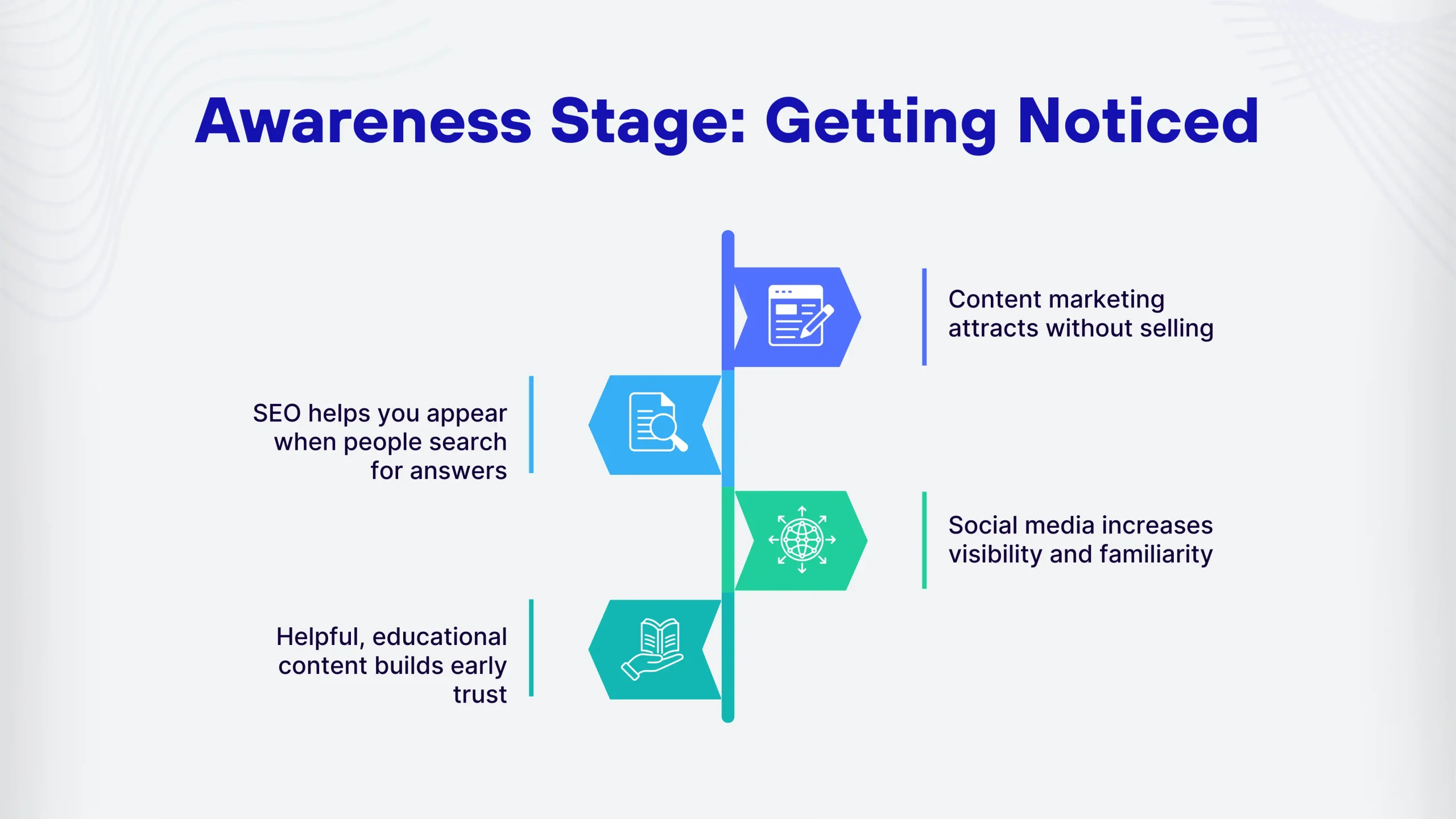
At this stage, people don’t know your business exists. Your job is to show up when they start looking for answers.
This is where professional SEO services shine. When someone types “why is my website traffic dropping” into Google, you want your blog post or guide to appear in those search results.
The best SEO services focus on creating helpful content that answers real questions. They optimize your website so search engines understand what you offer and show your pages to the right people. This isn’t about gaming the system; it’s about making sure people who need your help can actually find you.
SEO works particularly well at the awareness stage because people are actively searching for information. When you provide valuable answers, you build trust before anyone even considers buying.
A Content Marketing Agency helps you create the educational content that attracts awareness-stage buyers. This includes:
The key is creating content that helps people without immediately trying to sell them something. You’re positioning your business as a helpful resource, not just a vendor.
Social Media Management Services help you build awareness by putting your content where people already spend time. At this stage, social media is about:
You’re not hard-selling here. You’re becoming a familiar face in your industry.
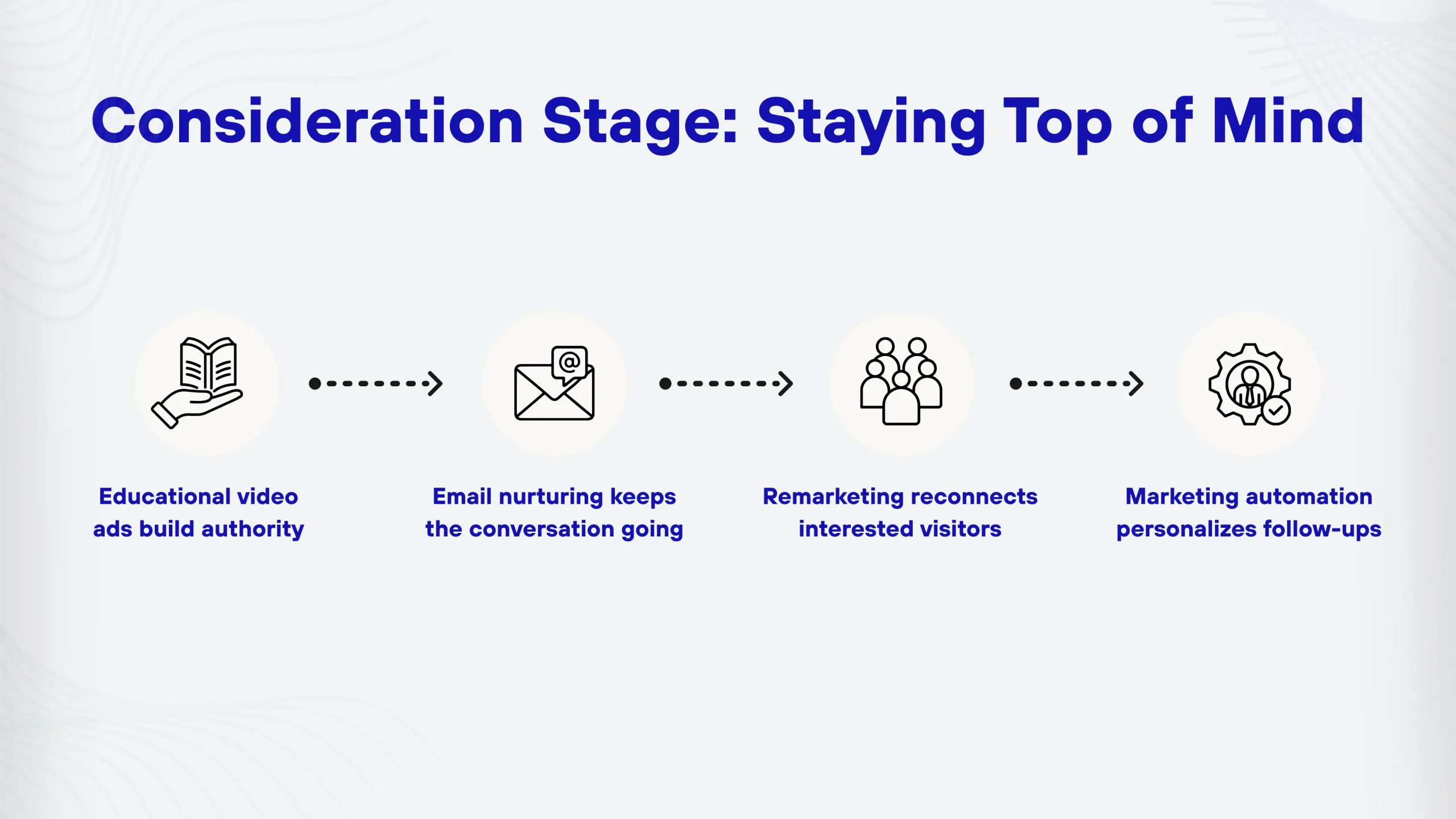
People now know what they need and are actively comparing options. They might have visited your website once but aren’t ready to buy. Here’s how to stay connected.
Video content is huge during the consideration stage. YouTube advertising services let you reach people who are watching videos related to your industry or comparing products like yours.
The best YouTube ads at this stage are educational, not salesy. Think “How to choose the right CRM for your business” rather than “Buy our CRM now!” You’re building authority and keeping your brand visible while they research.
Once someone downloads your guide or subscribes to your blog, email marketing services keep the conversation going. Regular emails can:
Good email marketing feels like getting helpful tips from a knowledgeable friend, not spam from a pushy salesperson.
Here’s a common scenario: someone visits your website, reads a few pages, then leaves to check out competitors. Google Ads remarketing brings you back into their awareness as they browse other websites.
These ads remind them about your solution and can highlight specific benefits or offers. Remarketing is powerful because you’re reaching people who already showed interest; they just needed more time to decide.
This is where marketing automation for buyer journey optimization becomes incredibly valuable. It lets you send the right content based on what people do on your website or how they interact with your emails.
For example, if someone downloads your pricing guide but doesn’t request a demo, automation can send them case studies showing how other customers got results. If they visit your features page multiple times, it can trigger a personalized email answering common questions about those features.
This personalization makes your marketing feel relevant and helpful rather than generic.
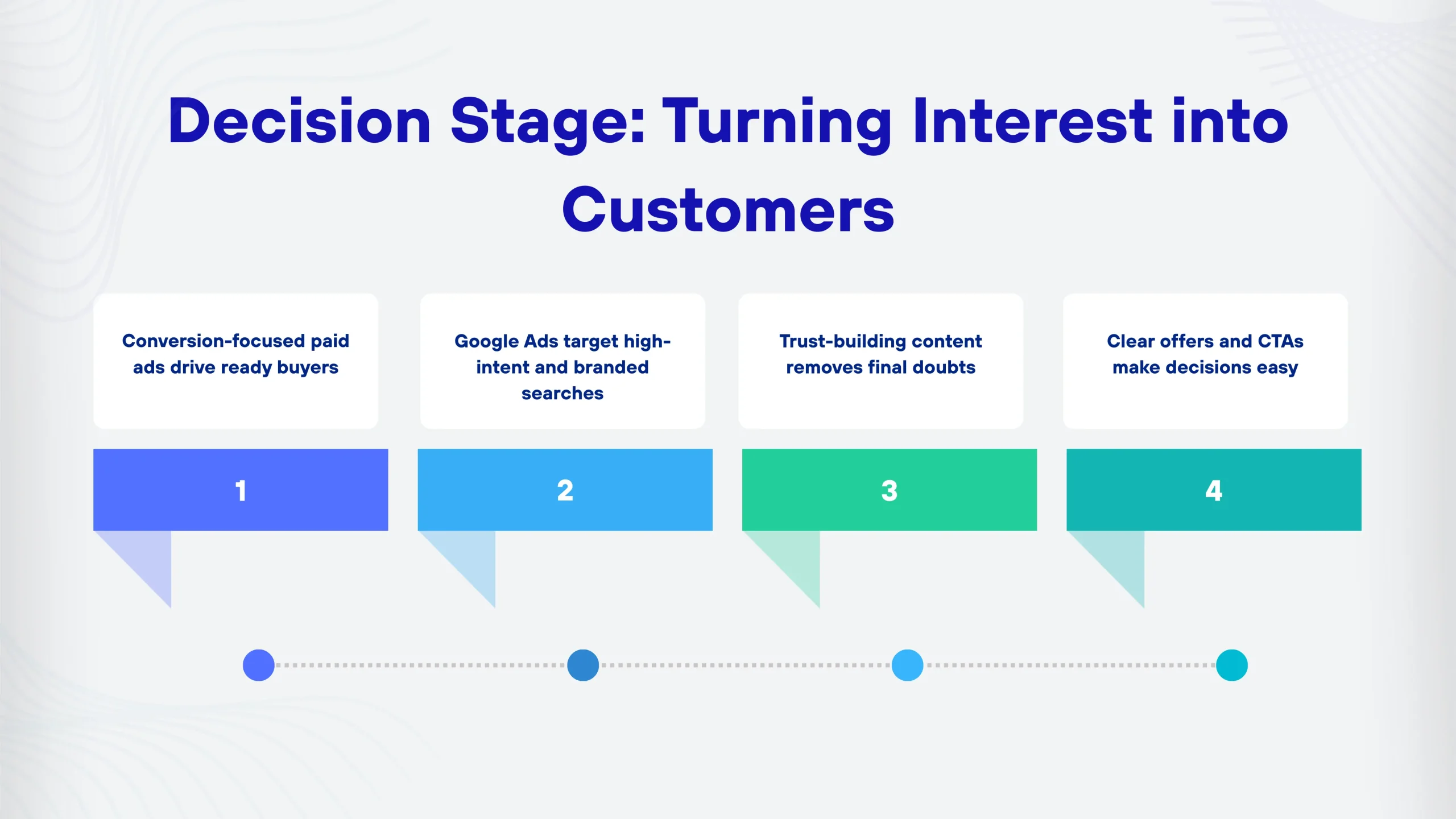
They’re ready to make a decision. Now you need to give them confidence that choosing you is the right move.
A Paid Advertising Agency helps you create campaigns specifically targeting people ready to buy. This includes search ads that appear when someone types “best [your product] for [specific use case]” or social ads promoting limited-time offers.
At this stage, ads should emphasize:
The goal is to remove any final objections and make it easy to say yes.
A Google Ads Company can create highly targeted campaigns for decision-stage buyers. These might include:
Google Ads, at this stage, focuses on conversion, turning clicks into customers. The messaging is direct and action-oriented.
Your Content Marketing Agency should also create decision-stage content like:
This content removes uncertainty and makes the buying decision feel safe.
Coordinating all these services across the entire buyer journey is complicated. That’s why many businesses partner with agencies offering Digital Marketing Consulting Services.
A good agency ensures:
Instead of juggling multiple vendors or trying to become an expert in six different marketing disciplines, you get a team that handles it all strategically.
Different stages require different metrics. Here’s what to track:
The best digital marketing services track these metrics and adjust strategies based on what’s working.
The most successful companies don’t just use these services randomly; they create an integrated strategy where each piece supports the others.
For example:
Each service plays a specific role, but together they create a smooth journey from stranger to customer.
You don’t need to implement everything at once. Start by understanding where your current gaps are:
Once you know where people are falling off, you can prioritize which digital marketing services will have the biggest impact.
Many businesses start with the basics. Professional SEO services and AI content marketing help build awareness, then additional services can be added as they grow.
Most businesses allocate 7-12% of revenue to marketing. How you split that across services depends on your industry and goals. Start with what drives awareness (usually SEO and content), then invest in nurturing and conversion services as traffic grows.
Absolutely. Many companies manage social media internally but outsource SEO or paid advertising. Just ensure whoever coordinates everything understands the full buyer journey so services work together effectively.
It varies by service. Paid advertising from a Google Ads Company can show results within weeks. Professional SEO services typically take 3-6 months for significant results. Email marketing and Marketing Automation show value within 2-3 months.
You don’t need everything immediately. Most businesses start with 2-3 core services that address their biggest gaps, then expand. However, eventually covering all buyer journey stages leads to better overall results than excelling at just one stage.
Look for transparent reporting, regular communication, and results tied to business goals, not just vanity metrics. A good agency explains what they’re doing, why it matters, and how it’s contributing to revenue growth.
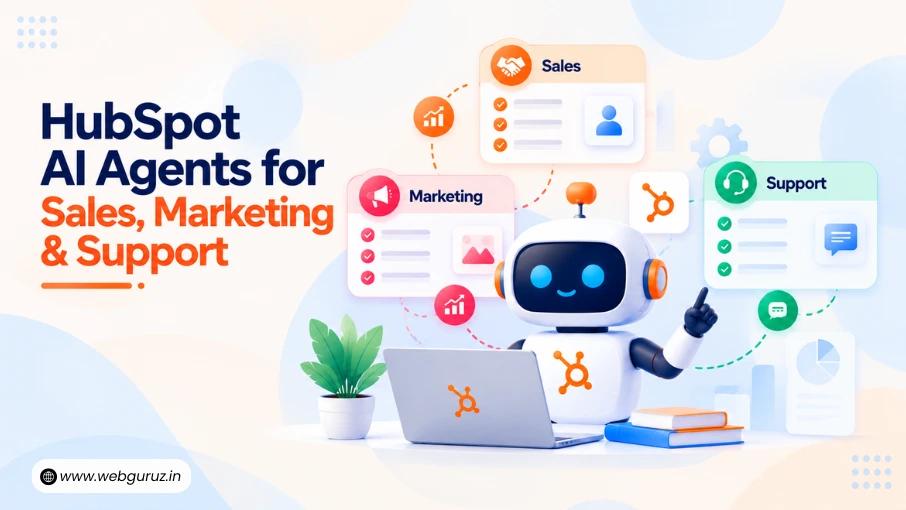
Vedanshi
2026-10-09
7 min read
A sales team spends hours researching prospects. Marketing repeats the same tasks across campaigns.
Read More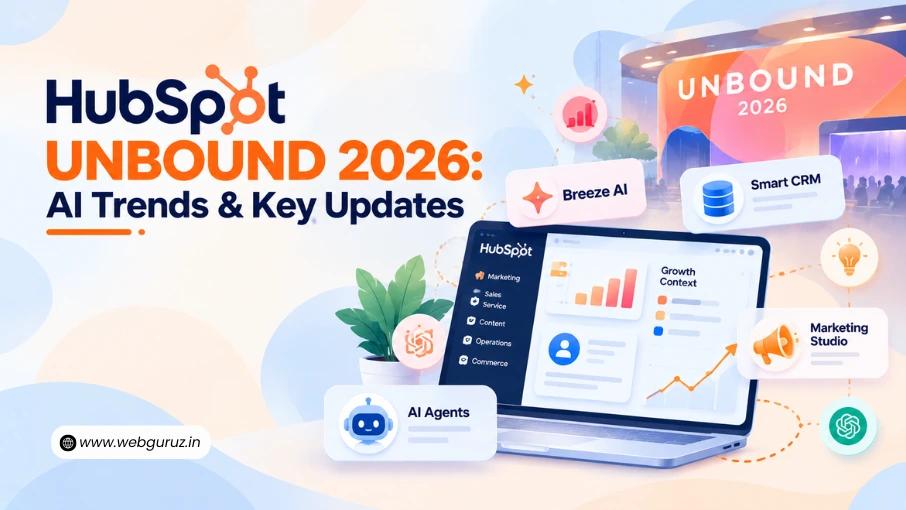
Vedanshi
2026-10-07
7 min read
HubSpot UNBOUND 2026 sent a clear message to businesses: growth is becoming more connected.
Read More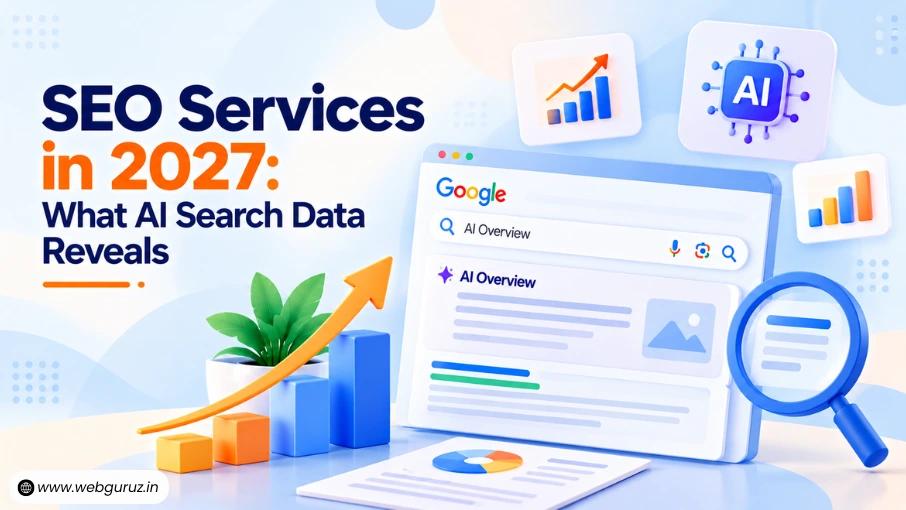
Vedanshi
2026-10-07
7 min read
For years, ranking on Google’s first page was one of the clearest goals in search marketing. But search is no longer limited to a list of blue links.
Read More