sales@webguruz.in
 +1 (213) 715-5368
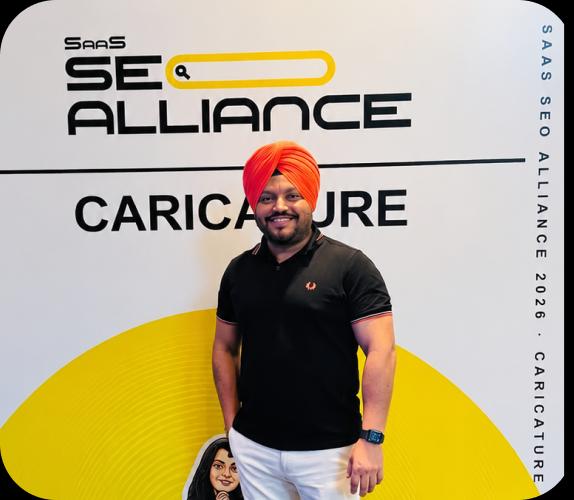
WebGuruz Technologies joined SaaS SEO Alliance 2.0 in Delhi for two days of conversations around SEO, AI search, content strategy, and the changing ways SaaS brands build visibility online.
The event brought together SEO professionals, SaaS marketers, agency leaders, and growth teams to discuss a question that is becoming increasingly important: What does organic growth look like when search is no longer limited to traditional search results?
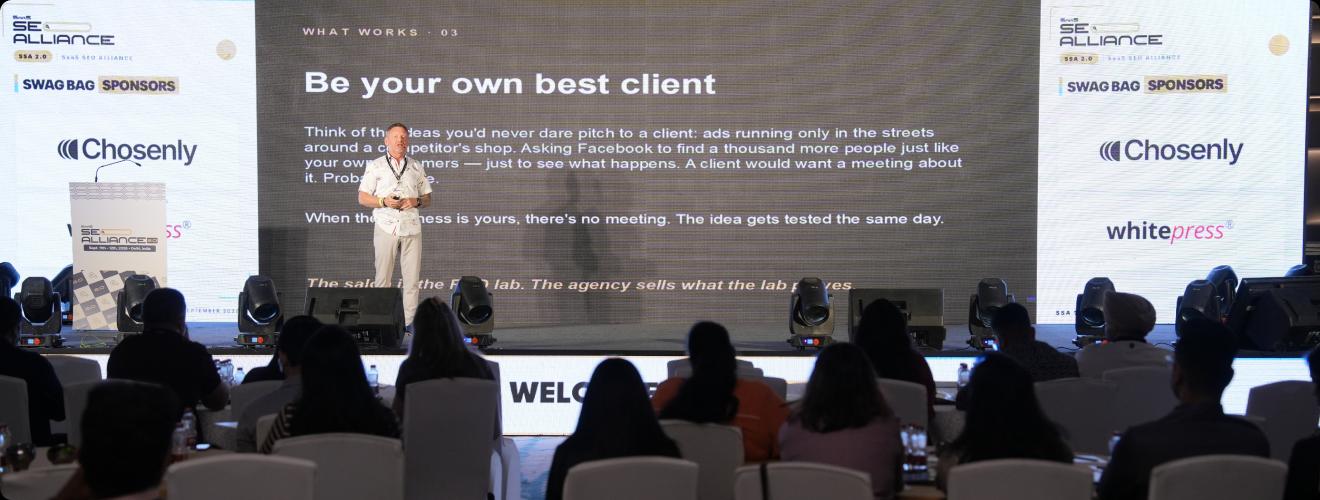
Another discussion that stood out was the need to rethink the way businesses approach content.
The question isn't always whether we need to create more. Sometimes, the bigger opportunity is making the expertise we already have easier to understand.
SaaS companies already have valuable knowledge sitting across product teams, customer conversations, sales teams, support teams, and internal experts. Turning that knowledge into useful, well-structured content can often create more value than simply increasing publishing volume.
This shift from content production to content usefulness was one of the ideas that stayed with us after the event.
SSA 2.0 also brought several practical frameworks and approaches into the conversation.
The SIGNAL framework offered a way to think about creating content that is better structured and more ready for AI-driven discovery, while the AI Flywheel connected different stages of the customer lifecycle: from capturing attention and nurturing prospects to conversion, advocacy, and reactivation.
The discussions also touched on the importance of building SEO systems rather than relying entirely on manual processes. AI and automation can help with areas such as research, content workflows, technical analysis, and optimization, but the strategy behind those systems still matters.

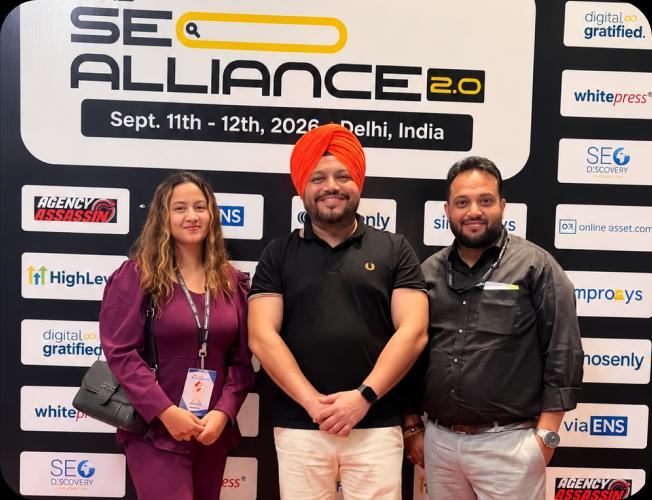
Some of the most useful insights came from the conversations happening between sessions.
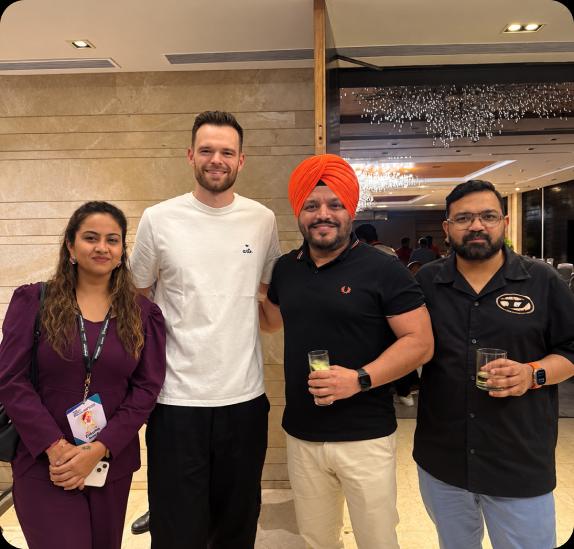
SSA 2.0 brought together people working across SaaS SEO, content, AI search, technical SEO, and growth. Those conversations offered different perspectives on how teams are adapting to changes in search and where they are finding opportunities.
For WebGuruz, being part of those discussions was valuable not just for the ideas shared on stage, but also for understanding how other professionals are approaching the same changes from different angles.
For WebGuruz, the event was an opportunity to exchange ideas with people working on these challenges every day. The conversations went beyond presentations. Discussions with SEO professionals, SaaS marketers, and agency leaders provided different perspectives on how teams are adapting their strategies, workflows, and measurement systems as search continues to change.
For our team, one idea stood out: the future of SEO is not about producing more information. It is about making valuable information easier to find, understand, connect, and act on.
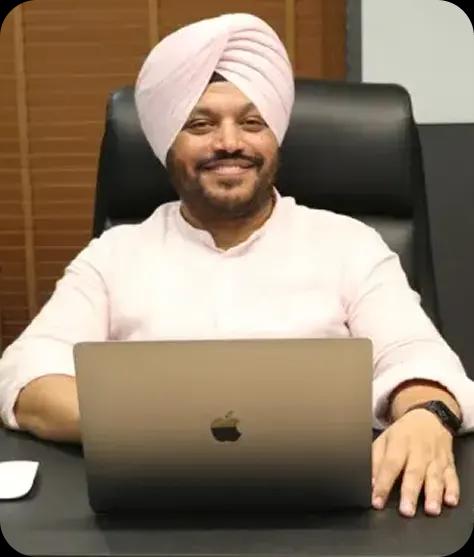
One thing that really stood out to me at SSA 2.0 was that the conversation wasn't just about rankings or creating more content. It was more about how people are finding information now, and how we can do a better job of making the expertise we already have easier to find and understand
Jaswinder Singh
CEO, WebGuruz Technologies
A few ideas from SaaS SEO Alliance 2.0 stood out:

with AI-powered experiences becoming another important discovery layer.

Existing expertise can become a stronger asset when it is structured and communicated effectively.

rather than operating only as a traffic-generation channel.

but human strategy and subject-matter expertise remain important.
as visibility increasingly happens outside traditional search results.
especially when the industry is changing faster than established playbooks can keep up.
SaaS SEO Alliance 2.0 was a useful reminder that SEO is moving into a much broader phase. Search behaviour is changing, AI is reshaping discovery, and SaaS companies have more opportunities (and more challenges) in how they communicate their expertise online.
For WebGuruz, the value of events like this comes from taking those conversations back into our work and asking better questions about how we approach SEO, content, and organic growth.
The goal isn't simply to create more. It's to make what matters easier to find and understand.